Never Miss a Beat - Get Updates Direct to Your Inbox
Topics:
FILTER:
How to Increase Sales on Shopify to Maximize Your Store Value
By Quiet Light
If your store isn’t performing at the level you desire, or you’re looking to maximize its value for a potential exit, you’ve come to the right place. In this guide, we’ll examine both common pitfalls and proven strategies to help you build lasting value in your Shopify store.
The hot topics:
- Reasons store performance suffers
- Tips to grow your store
- How to get a free valuation
Related Article: Selling on Shopify vs Amazon: Which Is Better?
Why Is My Shopify Store Not Performing Well?
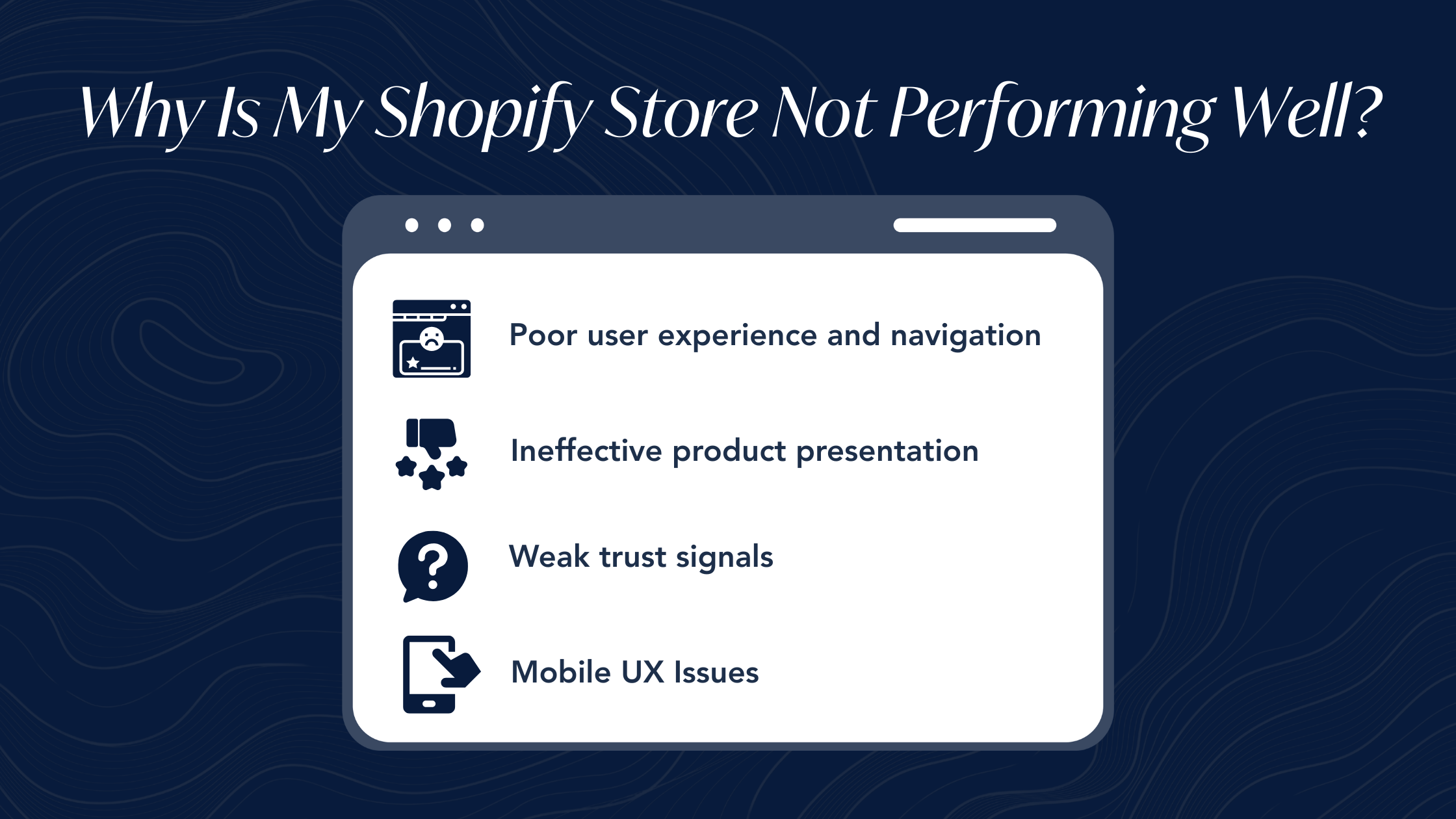
Look at these areas when troubleshooting lackluster performance:
Poor user experience and navigation
Slow loading times and confusing navigation are clear problems, but subtle friction points often cause the biggest impact on sales. Creating a successful navigation structure requires understanding how your customers actually shop, not just how you think they should shop. If you haven’t already, map out complete customer journeys, identify decision points, and carefully eliminate friction at each step.
Areas requiring particular attention include:
- Search functionality with intelligent filters and autocomplete
- Mobile-first design principles for thumb-friendly navigation
- Clear visual hierarchies that guide users naturally
- Breadcrumb navigation for complex catalogs
- Regular heat mapping and session recording analysis
Get a free, individually-tailored valuation and business-readiness assessment. Sell when you're ready. Not a minute before.Thinking of Selling Your Business?
Ineffective product presentation
Each product page needs to tell a compelling story while addressing potential buyer concerns before they arise. The most effective product pages combine multiple elements to create an immersive experience.
High-quality photography from multiple angles should be paired with lifestyle shots that show the product in context. Video content can demonstrate product features and usage, while augmented reality features let customers visualize products in their own space. These visual elements should be supported by benefit-focused text and resources that speak directly to customer pain points and desires.
This means:
- Contextual imagery showing products in use
- Size comparison tools and interactive elements
- Clear value propositions that address specific customer pain points
- Product storytelling that builds an emotional connection
- Strategic use of user-generated content in the purchase journey
Weak trust signals
Establishing trust starts with robust security infrastructure; SSL certificates and payment security badges are table stakes. But true trust-building goes much deeper. Your store needs to tell a compelling brand story, showcase real customer experiences, and demonstrate genuine expertise in your market segment. This is where many stores fall short, focusing on surface-level trust signals while missing the deeper elements that drive customer confidence.
Critical elements to implement:
- Comprehensive “About Us” section with real team profiles
- Clear, customer-friendly policies for returns and shipping
- Proactive customer service with published response times
- Third-party verifications and industry certifications
- Transparent inventory and shipping status updates
Insufficient mobile optimization
While most store owners understand the importance of mobile responsiveness, truly optimizing for mobile requires rethinking the entire shopping experience from the ground up. Mobile shoppers expect an app-like experience even when shopping through a browser. Even the most minute delay (we’re talking milliseconds) can reduce conversion rates enough to make your bottom line suffer. The experience needs to feel native and instantaneous.
Mobile optimization priorities:
- One-handed navigation and thumb-friendly interfaces
- Streamlined checkout optimized for mobile keyboards
- Image optimization for fast loading
- Mobile-specific product galleries
- Integration with mobile payment systems
How to Grow Your Shopify Store to Maximize Value
Sure, you want to glean the most value from your business, just like everyone else. But how?
Build sustainable revenue streams
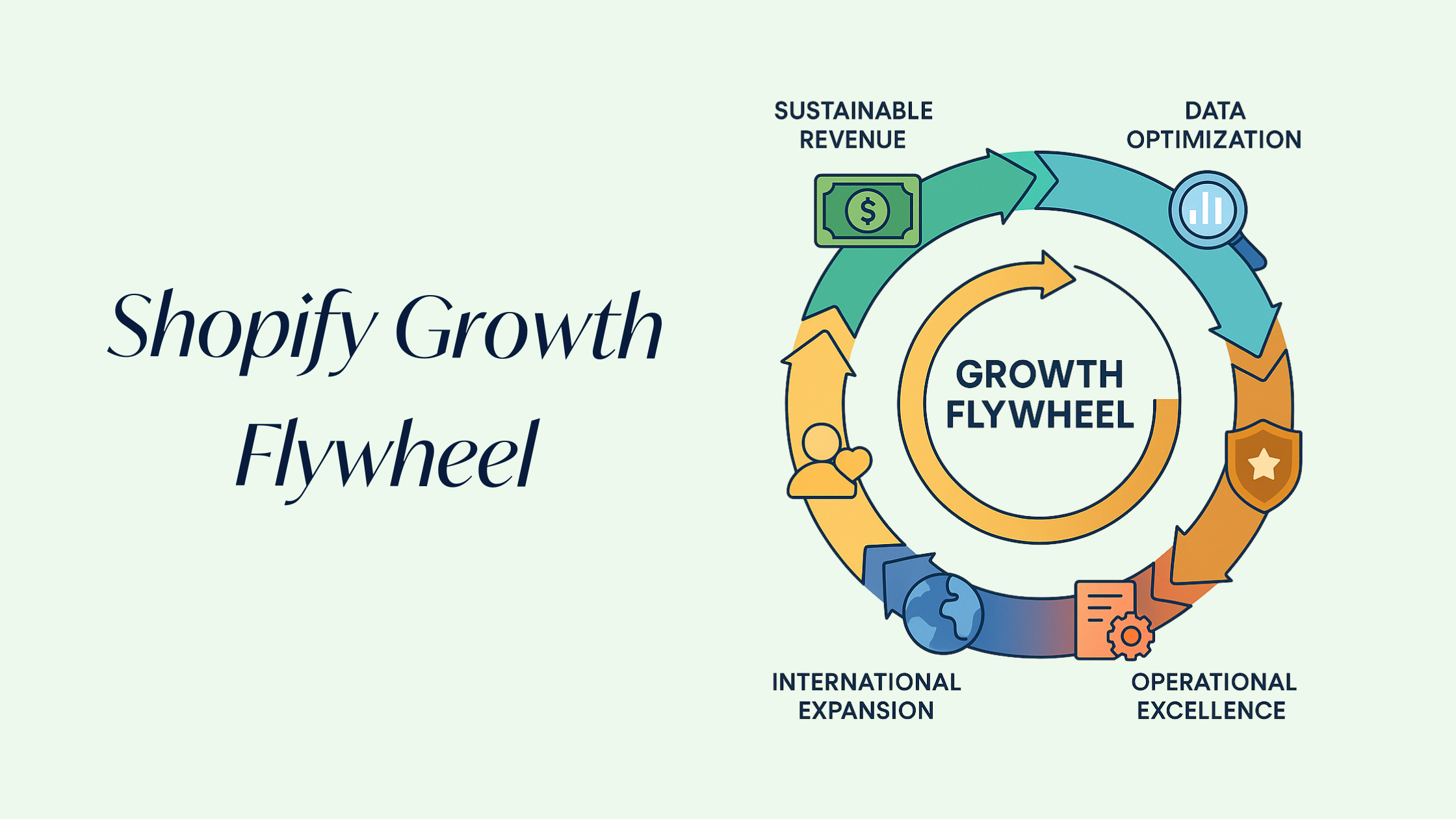
The hidden multiplier in ecommerce valuation comes down to one thing: predictable, sustainable revenue generation. Yet this is where many store owners miss significant opportunities, focusing too heavily on top-line growth while neglecting the development of stable revenue foundations.
Subscription models represent one of the most powerful ways to build sustainable revenue, but implementation requires careful thought and planning. Success lies in identifying products that naturally lend themselves to recurring purchases and then creating genuine value propositions that make subscriptions attractive to customers. Examples include subscriber-exclusive merchandise, graduated discount structures, or complementary service bundles.
Optimize data infrastructure
The performance gap between standard and exceptional Shopify stores can sometimes be traced to their data infrastructure. Leading stores have comprehensive data infrastructures that inform every business decision.
Take cohort analysis as an example. It allows you to identify which customer segments drive the most lifetime value and adjust your acquisition strategy accordingly. This thorough approach should extend to every aspect of your operation, from inventory management to marketing spend.
Data infrastructure elements you shouldn’t go without:
- Customer cohort tracking and analysis
- Predictive inventory management
- Marketing attribution modeling
- Customer lifetime value calculations
- Automated reporting systems
Develop brand equity
In the context of store valuation, brand equity represents one of the most significant multipliers. A strong brand commands premium pricing, enjoys lower customer acquisition costs, and provides insulation against the competition.
Building lasting brand equity means creating emotional connections with customers through consistent storytelling, authentic community engagement, and memorable experiences. The most valuable brands in ecommerce have mastered the art of turning customers into advocates who actively promote their products.
Your brand strategy should include:
- Unique brand positioning and voice
- Community-building initiatives
- Media and PR relationships
- Customer advocacy programs
- A visionary content marketing strategy
Tighten your operational ship
Buyers pay premium multiples for businesses with documented processes, scalable systems, and clear organizational structures. These elements increase the inherent value of your business and its transferability. Every critical process should be documented in standard operating procedures (SOPs), while key relationships with vendors and partners should be formalized in contracts.
Critical operational areas to optimize:
- Process documentation and SOPs
- Team structure and training systems
- Technology stack integration
- Vendor relationship management
- Quality control protocols
Expand internationally
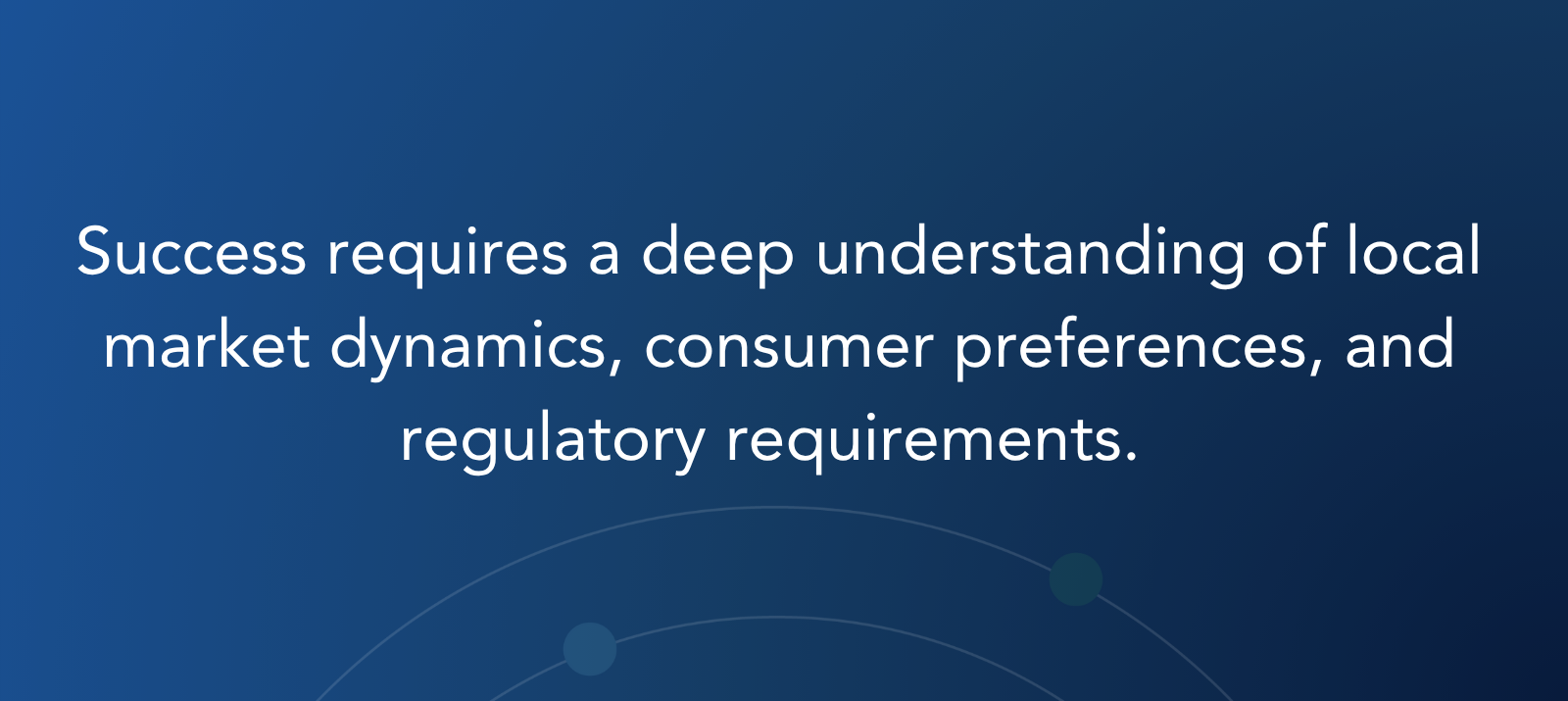
Tapping into global markets represents a core growth multiplier for Shopify brands reaching domestic saturation, but execution can be complex. (Yes, you have to do more than enable international shipping.) Success requires a deep understanding of local market dynamics, consumer preferences, and regulatory requirements. Brands can fail internationally if they try to replicate domestic success without adapting to local realities.
Key international expansion considerations:
- Market selection and prioritization
- Localization requirements
- Payment and logistics infrastructure
- Legal and regulatory compliance
- Local partnership opportunities
Customer lifetime value optimization
Customer lifetime value (CLV) is another significant opportunity. Get an edge by viewing CLV as a strategic metric that influences everything (yes, even your product mood board). Small improvements in customer retention can yield dramatic improvements in profitability.
Strategic elements for CLV optimization:
- Predictive analytics for customer behavior
- Personalized retention programs
- Strategic pricing tiers
- Customer success initiatives
- Post-purchase engagement flows
Integrate your tech stack
Shopify provides a robust foundation, but many store owners find themselves looking for third-party tools. While additions can shape your competitive advantage, do so with caution. Adding apps without a coherent strategy leads to a fragmented and inefficient tech stack that is way more trouble than it’s worth.
To escape this fate, build an integrated ecosystem where each tool serves a specific purpose and communicates effectively with other systems. Carefully evaluate each potential addition to your tech stack, considering not just its immediate utility but its role in your overall business architecture. As you go, document your tech stacks so that any new owner down the road can easily understand and maintain the business.
Critical technology considerations:
- Integration capabilities between systems
- Scalability for future growth
- Data security and compliance
- Performance impact monitoring
- Total cost of ownership analysis
Create an exit strategy
While it might seem counterintuitive to plan your exit when you’re focused on growth, the most valuable Shopify stores are built with eventual exit potential in mind. This means creating systems and structures that make the business attractive to potential buyers and make it easier to transfer to new ownership. This often requires shifting from founder-centric operations to systems-driven management.
Key exit-planning elements:
- Clean financial records and reporting
- Documented standard operating procedures
- Transferable supplier relationships
- Protected intellectual property
- Scalable team structure
Get a Free Shopify Store Valuation from Quiet Light
As you implement these strategies, remember that each improvement contributes to increasing your store’s overall value.
Ready to take the next step? Schedule a free, no-strings-attached consultation with Quiet Light’s expert Advisors to receive a comprehensive valuation and refreshingly honest recommendations for maximizing your store’s potential.
Thinking of Selling Your Business?
Get a free, individually-tailored valuation and business-readiness assessment. Sell when you're ready. Not a minute before.